1. Confirm the property is released
If police were involved, cleanup starts after they release the space. The owner or family can check with the agency.
Atwater, MN · Kandiyohi County
Found syringes, pipes or residue at a property in Atwater? Call (877) 812-4220. A cleanup team can remove the items, clean and disinfect surfaces and dispose of the waste without judgment.
If anyone is in danger, call 911 first. For a suicide crisis, call or text 988.
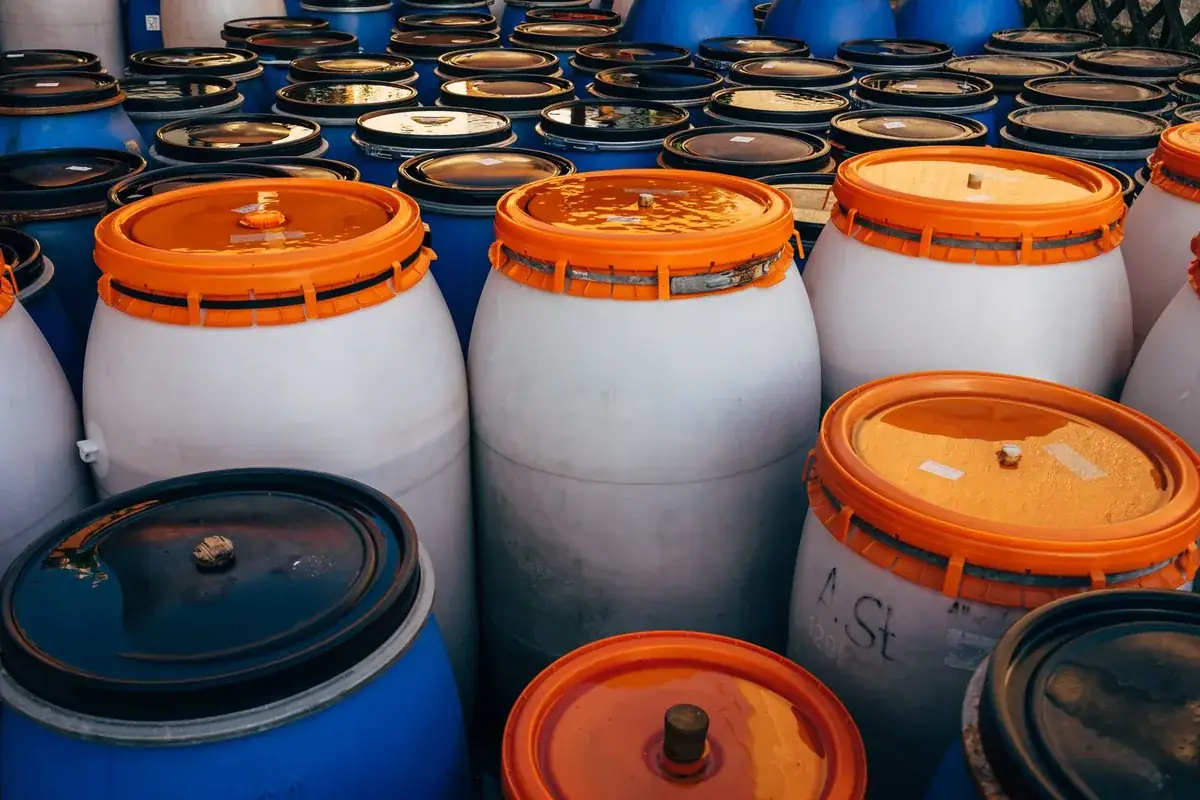
Drug paraphernalia cleanup is the safe removal of used syringes, pipes, bags, foil and other items left behind from drug use. Cleanup crews also clean and disinfect surfaces where residue may remain.
If you are a landlord, property manager or family member in Atwater facing items left behind after drug use, call Atwater Biohazard Cleanup Help. The crew is discreet, explains each step and leaves your property clean and checked across Kandiyohi County.
A vacancy rate near 13% in Kandiyohi County means more empty houses and lots, which are common places for discarded items to be found. Tell the doctor where the exposure happened. Meeker Memorial Hospital, about 11 miles from Atwater, can evaluate people who may have been exposed.
A typical drug paraphernalia cleanup job includes:
If police were involved, cleanup starts after they release the space. The owner or family can check with the agency.
Crews put on gloves, eye protection and respirators when needed, then search every room for sharps and other items.
Surfaces are cleaned, and soft goods that could hold residue are removed.
A last pass checks for missed items, and the owner receives guidance on next steps.
The cost of drug paraphernalia cleanup in Atwater, MN depends on the amount of material, how it is packed and how it is hauled.
A site where drugs were manufactured needs testing and a different plan. If that applies, the scope and price are different from standard paraphernalia cleanup.
| Type of job | Typical range |
|---|
Published ranges only (); every drug paraphernalia cleanup job in Atwater is priced after an on-site look. Price drivers include amount of material, whether residue is present, surfaces affected, waste disposal. Questions? Call (877) 812-4220.
The owner of the property usually pays at first. Lease terms and local law decide who is responsible in the end. A landlord, an attorney or a tenant rights group can say. Keep any record the cleanup team gives you, since a landlord or insurer may ask for it.
It can. Powders and stains may stay on floors, furniture, bedding and in vents after the items are gone. That is why a team cleans and disinfects the surfaces and removes soft materials that cannot be cleaned. Ask what the plan covers.
It can. Once soiled items are removed, a team can treat lingering odor in the air and on surfaces. Ask what methods the team uses and whether odor treatment is part of the plan or a separate step.
Yes. A property owner can call a cleanup team to clear and clean a unit after a tenant leaves. Lease terms and local law decide who pays. Keep photos and records, and ask the team what documentation it can provide.
Some residues can harm people who touch them, and you cannot tell by looking which ones. That is why gloves are not a substitute for professional cleanup. If skin touches something unknown, wash with soap and water and call Poison Control.
A careful cleanup removes the items and cleans the surfaces it covers. Testing is a separate step, and rules vary by place. Ask the team what it did and did not check, and ask the local health department what applies where you live.
One call can start the cleanup of a room, a rental unit or a whole home.
Call (877) 812-4220